Should You Choose an Electric Range Cooker?
For decades, range cookers meant one thing: Gas. Oil. Flame. Heat radiating all day long.
But things have changed. Electric range cookers are no longer the compromise option. In many cases, they are the smarter, more flexible choice.
The real question is not whether electric works. It absolutely does.
The question is whether it works for you.
Let’s look at what really separates electric from traditional fossil fuel ranges, and whether or not you should make the switch to electric.
The Big Divide: Combustion vs Electricity
Traditional oil and gas ranges rely on combustion. They burn fuel to create heat. That heat is stored or directed into ovens and hotplates, often continuously.
That means:
Flue requirements
Fuel supply considerations
Regular servicing
More installation complexity
Electric range cookers remove combustion entirely. No flame. No flue. No oil tank.
Take Everhot as an example. It is a fully electric heat storage range that delivers the same gentle radiant cooking style as traditional oil-fired models, but without the servicing, flue installation or fossil fuel supply.
That difference alone is enough to shift many homeowners towards electric.
Installation: Where Electric Wins Quietly
Solid fuel fired ranges require a flue to be installed in your home. Gas models need a proper gas supply and compliance checks. In some homes, especially older rural properties, this is already in place, but it is unlikely to be present in new builds or modern renovations.
Electric range cookers have the advantage of not needing a flue. Some brands, such as Everhot cookers, can run from a standard 13-amp connection. That simplicity reduces installation costs and long-term hassle.
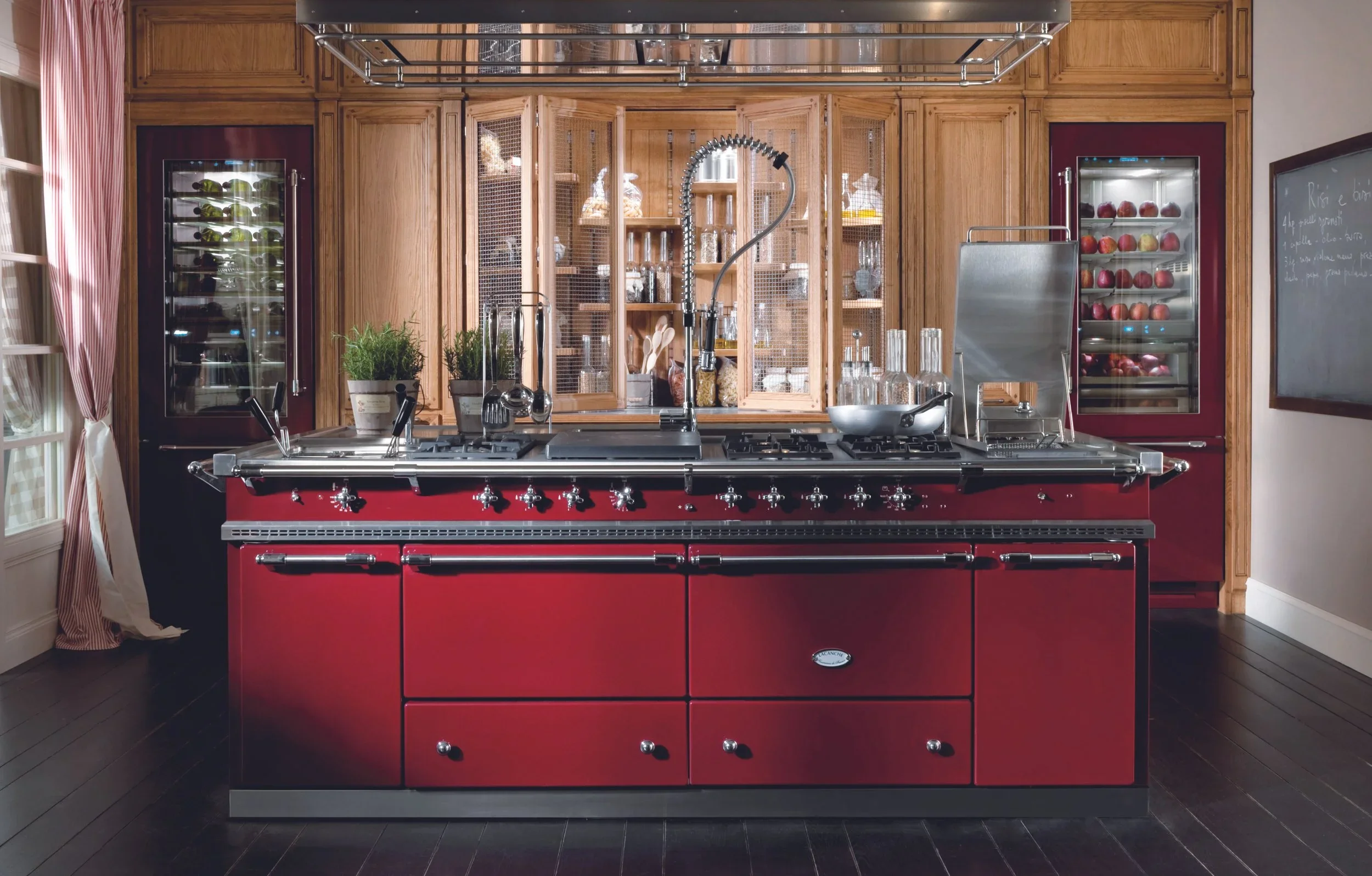
Other electric ranges from Bertazzoni,Lacanche and Aga may require higher-capacity electrical supply, particularly if induction hobs are involved, but they still avoid the need for fuel lines or combustion ventilation.
From a practical standpoint, electric is usually cleaner and easier.

Energy Efficiency: The Old Myths Do Not Hold Up
There is still a lingering belief that electric range cookers are expensive to run.
That was true once, but modern systems are very different.
An an example, Everhot electric running costs can be as low as £19.76 in the UK per week, roughly half as much as a traditional solid fuel range cooker.
Traditional solid fuel heat storage cookers are designed to remain on constantly, radiating warmth into the room. That creates atmosphere, especially in winter, but it also increases ongoing energy use. This has become more pronounced as energy costs in the UK have soared in recent years.
Electric heat storage cookers usually allow independent control of ovens and hotplates, plus built-in energy saving modes. You still get the steady radiant heat that makes roasting and baking exceptional, but you are not locked into constant high output.
So electric now offers both steady heat storage and high-performance precision, depending on the model you choose.
If you want a deeper breakdown of heat storage energy use specifically, our guide to Everhot running costs looks at realistic day-to-day expectations of running an electric range cooker.
Cooking Experience: Flame Romance vs Modern Precision
Whilst electric range cookers seem like the sensible choice in terms of running costs, is the cooking experience the same?
The great thing about modern electric range cookers is that they deliver classic radiant heat cooking without fossil fuel combustion.
Food is gently surrounded by warmth rather than blasted by fan-driven air, giving it that signature ‘range cooked’ flavour. Roasts are beautifully even. Bread develops proper crust. Slow cooking becomes effortless.
Maintenance and Long-Term Simplicity
Oil-fired ranges require annual servicing. They need flues. They rely on fuel deliveries.
Gas ranges require safety checks and maintenance. Costly visits from a servicing engineer.
Electric ranges remove that layer entirely. No combustion means no flue cleaning, no fuel storage, no annual service visits.
That long-term simplicity is one of the strongest arguments for electric, particularly with fully electric heat storage models like Everhot.
For busy households, less maintenance is not a small thing.
The Environmental Question
There is also the bigger picture.
Electricity in the UK is increasingly generated from renewable sources. Over time, that strengthens the environmental case for electric appliances.
You may want to go further and power your range cooker using your own renewable energy, such as solar panels – with an electric cooker that’s a reality.
For homeowners thinking about future-proofing and reducing their carbon footprint, electric often aligns more comfortably with where domestic energy is heading.
So, Is Electric the Right Choice?
If you want:
No flue
No annual servicing
Simpler installation
Lower running costs
A future-facing solution
Electric is hard to ignore.
If you love flame cooking and already have gas infrastructure in place, traditional fuel may still suit you perfectly well.
But electric range cookers are no longer the alternative option, with modern options giving high-performance along with efficiency.
Whether it is the steady radiant warmth of an Everhot, the precision of a Bertazzoni induction range, or the craftsmanship of a Lacanche electric build, contemporary range cookers deliver a high-quality cooking experience.
To see electric range cookers in action, alongside traditional fossil fuel versions, please book an appointment to visit the F & R Fornello range cooker showroom in Forest Row, Sussex. We would love to help you find your next range cooker!